Setting academic goals is an essential part of the learning process, helping students understand their strengths, identify areas for improvement, and track their progress. One powerful tool that can help educators, students, and parents in setting meaningful academic goals is the NWEA MAP (Measures of Academic Progress) assessment. The MAP test is a computer-adaptive assessment that provides detailed insights into a student’s academic abilities, helping to establish goals that are both realistic and challenging. By using the data from MAP scores, schools can tailor individualized learning plans, track growth, and foster a goal-oriented mindset among students.
What Are NWEA MAP Scores?
The nwea scores by grade level measures a student’s academic progress in subjects like reading, mathematics, and language usage through a dynamic, computer-adaptive format. Unlike traditional tests that have a fixed set of questions, MAP adjusts the difficulty based on the student’s answers, offering a more personalized assessment. If a student answers a question correctly, the next question becomes more challenging. If they answer incorrectly, the difficulty level of subsequent questions is reduced. This adaptive method gives a more accurate picture of a student’s true abilities.
The results are provided in RIT (Rasch Unit) scores, which represent the level of difficulty a student can solve correctly. These scores are not tied to a specific grade level but instead measure a student’s academic growth over time. This feature makes MAP particularly valuable because it can track progress continuously, helping students set goals that are based on their current abilities and academic needs.
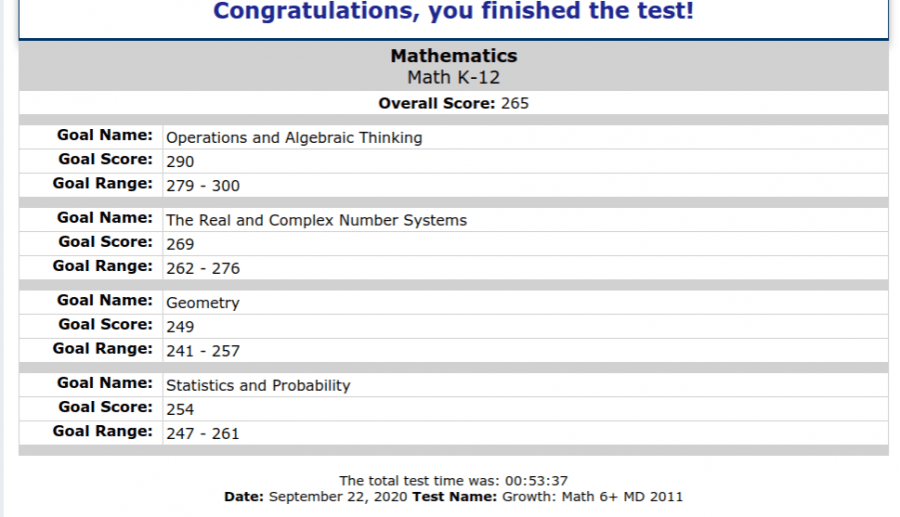
How to Set Academic Goals Using MAP Scores
- Identify Strengths and Weaknesses
The first step in setting academic goals using MAP scores is to understand where a student excels and where they need improvement. Since MAP provides detailed data across various subjects (such as math, reading, and language usage), it helps identify specific areas where students are either performing well or struggling.
For instance, if a student shows a high RIT score in math but has a lower score in reading comprehension, this clearly indicates where the student’s strengths and weaknesses lie. This data can then be used to set personalized goals for the student, ensuring that goals are targeted and relevant to their current learning needs. For example, a goal for the student might be to improve their reading comprehension skills by a specific number of RIT points by the next assessment period.
- Set Specific, Measurable Goals
When setting academic goals, it’s crucial to make them specific and measurable. With the detailed data provided by MAP scores, setting clear, quantifiable goals becomes much easier. A specific goal could be something like “Increase math RIT score by 5 points within the next 6 months,” or “Improve reading comprehension RIT score by 3 points by the next assessment cycle.”
By making the goals specific and measurable, both the student and teacher can track progress and make adjustments if necessary. It also provides a clear target for students to work towards, which is an essential motivator for academic growth.
- Set Realistic and Achievable Goals
Another important factor to consider when setting academic goals is ensuring that they are realistic and achievable. MAP scores give a clear understanding of a student’s current academic level, which helps in determining what is possible within a given time frame. For instance, if a student’s RIT score in reading is significantly lower than the average for their grade level, setting a goal to increase the score by 10 points in one testing period may not be realistic. Instead, a more achievable goal might be a 3-5 point increase over the course of several months.
Realistic goals take into account the student’s current abilities and provide a pathway for incremental progress. These goals should be challenging enough to encourage growth, but not so difficult that they become demotivating or unachievable.
- Focus on Growth, Not Just Mastery
One of the most powerful aspects of the MAP test is its ability to track a student’s growth over time. Unlike traditional assessments, which may only measure a student’s mastery of a specific set of skills, MAP is designed to show how much progress a student has made. This makes it easier to set goals based on growth rather than simply meeting a specific benchmark.
For example, if a student has shown consistent growth in math over the past year but has room for improvement in reading, the goal may not be to achieve the same level of growth in reading as the student did in math, but to focus on improving reading at a pace that reflects the student’s potential for growth. A goal focused on growth emphasizes effort and progress, not just final results, which can lead to increased motivation and a sense of achievement.
- Track and Adjust Goals Regularly
The MAP test is typically administered multiple times a year, providing valuable data on how students are progressing toward their academic goals. This regular assessment allows educators and students to track growth and make adjustments to goals as necessary. For example, if a student’s progress is slower than anticipated, the teacher may need to provide additional support or adjust the goal to make it more realistic. Alternatively, if a student is progressing faster than expected, the goal can be adjusted to be more challenging.
By regularly reviewing and adjusting academic goals based on MAP scores, students can remain on track and stay motivated to achieve success. It also allows teachers and parents to provide timely interventions when necessary, ensuring that students receive the support they need to achieve their goals.
- Incorporate Student Input and Ownership
An essential aspect of goal setting is involving students in the process. When students are part of setting their own academic goals, they are more likely to take ownership of their learning and stay motivated to meet those goals. Teachers can use MAP scores as a tool to facilitate goal-setting conversations with students, helping them understand where they are excelling and where they need to improve.
Encouraging students to reflect on their own progress and actively participate in setting goals helps them develop important skills like self-awareness, self-regulation, and persistence. This sense of ownership can foster a positive attitude toward learning and create a more engaging academic experience.
Conclusion
Using NWEA MAP scores to set academic goals provides both students and educators with valuable insights into a student’s academic progress. By identifying strengths and weaknesses, setting specific, measurable, and realistic goals, focusing on growth, and tracking progress regularly, schools can create a supportive and motivating environment for students to achieve their full potential. With MAP scores as a guide, academic goal setting becomes a powerful tool for fostering student growth and success, ensuring that every learner has the opportunity to thrive academically.
 Nwea Map Test Scores 2025-2026